


Sacramento Spring Car Care:
Protect Your Paint From UV, Valley Dust & Heat
Sacramento's spring brings intense UV rays, valley dust, and temperature swings that punish your car's paint and finish. Here's your climate-specific checklist to keep your vehicle looking showroom-ready through the Sacramento summer heat.
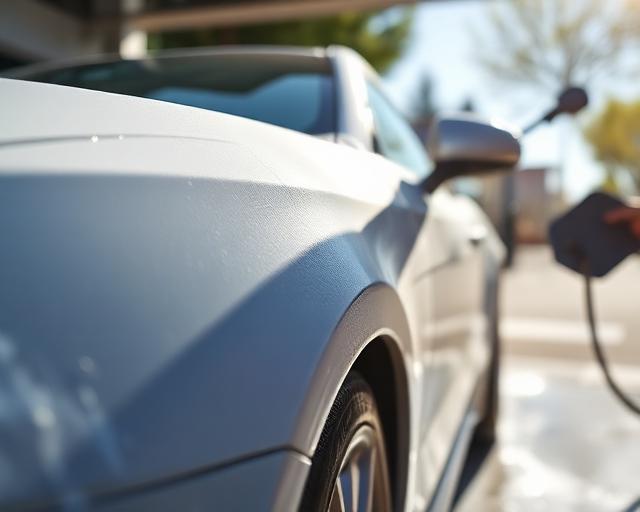
If you've lived in Sacramento long enough, you know what late March means: the valley heat is warming up fast, tule fog has cleared, and the Central Valley sun is about to get serious. By May, UV index readings in Sacramento regularly push into the "very high" range — and your car's paint, clear coat, and rubber seals take every bit of it.
I'm Frank Maldonado, owner of Rippers Body Shop in West Sacramento. Every spring we see the same thing: vehicles come in with oxidized paint, faded trim, cracked weatherstripping, and sand-blasted clear coat — damage that's entirely preventable with the right seasonal maintenance. This guide gives you our shop's climate-specific checklist built specifically for Sacramento's unique spring and summer conditions.
This post is part of our March newsletter series, Expert Tips for Sacramento Drivers. Whether you're in West Sacramento, Elk Grove, Rancho Cordova, Davis, Woodland, or Citrus Heights — this guide is for you.
faster UV paint fading in Sacramento vs. San Francisco due to coastal fog barrier
average cost of paint correction — preventable with a $30 wax applied twice per year
typical daily temperature swing between West Sacramento nights and peak afternoon heat
of active UV season in Sacramento — nearly year-round paint protection is necessary
Paint & Clear Coat Protection
Clear coat is your vehicle's first and only line of defense against Sacramento's UV assault. Once it oxidizes or burns through, the base coat underneath fades rapidly — and full paint correction becomes necessary. Here's how to protect it before that happens.
Apply UV-Protection Wax or Sealant Now
Before the Sacramento heat peaks, apply a quality carnauba wax or synthetic paint sealant with UV inhibitors. This creates a sacrificial barrier between your clear coat and the Sacramento sun. Do this in March — before UV index regularly exceeds 8 — and reapply every 3–4 months. For a longer-lasting option, ask Rippers about ceramic coating services that provide 1–2 years of UV protection per application.
Inspect for Paint Chips, Scratches & Clear Coat Lifting
Walk your entire vehicle in good spring light and look for chips from freeway gravel, hairline scratches from valley dust, or any areas where clear coat is beginning to peel. In Sacramento's climate, bare metal and exposed base coat oxidize and spread fast once exposed. Small touch-up jobs now prevent large paint repair bills by July. Rippers offers free estimates — bring it in before spring UV season peaks.
Remove Tree Sap & Bird Droppings Within 48 Hours
Sacramento's spring blooms are beautiful — and corrosive. Tree sap and bird droppings are acidic and begin etching into clear coat within 48 hours in heat. Don't scrub dry; soften with isopropyl alcohol (70%) or a dedicated sap remover first, then wipe gently. If sap has already etched into your finish, bring it to Rippers — light paint correction can often restore the surface without a full repaint.
Address Hard Water Spots Before They Etch
Sacramento's water leaves mineral deposits that etch into clear coat like acid over time. Always dry your vehicle after washing — don't let it air-dry in direct sun. Use a clay bar each spring to safely pull embedded mineral deposits before they cause permanent damage. White spots that don't respond to washing are likely mineral etch — this typically requires paint correction to fully remove.
🔧 Pro Tip From Frank
The single best thing Sacramento drivers can do for their paint is park in shade or a garage. Parking in direct Sacramento sun for 8 hours is equivalent to hours of UV exposure at the beach — repeated daily across a full spring and summer, this strips clear coat faster than almost anything else. Even a quality car cover makes a major difference if covered parking isn't available.
Valley Dust & Exterior Detail
Central Valley dust isn't just dirty — it's abrasive. Airborne silica particles from Sacramento Valley agricultural fields, construction sites, and dry creek beds act like micro-sandpaper on your vehicle's surface every time you drive or park. Here's how to manage it without causing more damage.
Never dry-wipe a dusty car. Dragging a dry cloth or chamois across a dust-coated surface grinds fine silica into your clear coat, creating micro-scratches that reduce gloss and accelerate UV damage. Always rinse with water first to float particles off, then wash. In Sacramento's dry season, this is a non-negotiable rule.
Wash Every 7–14 Days During Dust Season
During Sacramento's dry season (April through October), washing frequency matters more than product quality. Allowing dust to bake onto paint in 90°F+ heat fuses particles to the clear coat. Aim for a two-bucket wash method or a touchless foam wash every 7–14 days. Avoid high-pressure spray aimed directly at paint chips or seams — water intrusion accelerates rust in any exposed bare metal.
Clay Bar Decontamination Each Spring
Once per spring, use an automotive clay bar on your entire painted surface after washing. Clay bars safely remove embedded brake dust, industrial fallout, tree pollen, and mineral deposits that washing alone can't touch. Paint will feel smooth as glass afterward. Follow immediately with wax or sealant while the surface is open and receptive. This single step dramatically extends clear coat life in Sacramento's environment.
Condition Exterior Rubber & Plastic Trim
Valley dust combined with Sacramento UV destroys rubber weatherstripping, window moldings, and unpainted plastic trim faster than paint. Apply a rubber/vinyl protectant (303 Aerospace, Meguiar's Gold Class, etc.) to all exterior rubber and trim each spring. This prevents cracking, fading, and the brittle failure that makes weatherstripping leak and rattle by mid-summer — a very common repair we see at Rippers in West Sacramento.
Underbody, Wheel Wells & Headlights
Sacramento winters bring rain — and with it, road grime and agricultural runoff. By spring, your underbody has accumulated a season's worth of deposits. Here's how to clean up before the heat bakes it in permanently.
Spring Underbody Rinse & Visual Inspection
Even without snow salt, Sacramento vehicles accumulate corrosive deposits beneath the car — especially trucks and SUVs that travel agricultural roads around Woodland, Davis, and the Delta region. Schedule a thorough underbody rinse and look for rust bubbling on frame rails, subframe, or exhaust components. Catching surface rust now means inexpensive treatment; missing it means structural repair bills. Rippers can perform visual underbody inspections when your vehicle is in for exterior work.
Wheel Well Cleaning & Fender Liner Check
Wheel wells trap Sacramento valley dust, mud from winter rains, and road debris year-round. Packed debris traps moisture against painted metal, accelerating rust. Power-wash wheel wells thoroughly each spring, then check that fender liners are secured at all mounting points. Loose liners flap at freeway speeds on I-80 and I-5 and can damage paint from the inside — a surprisingly common and easily avoided repair.
Headlight Lens Restoration
Sacramento's UV is intense enough that most vehicles parked outdoors develop significantly yellowed, oxidized headlight lenses within 3–5 years. Beyond appearance, this can reduce headlight output by up to 70% — a genuine safety risk on Sacramento's unlit surface streets. DIY headlight restoration kits work on mild oxidation; for severe yellowing, Rippers offers professional headlight restoration as a standalone service with results that last far longer than DIY.
Watch for heat-related body panel gaps. Sacramento's temperature swings — from cool mornings to 95°F+ afternoons — cause body panels and trim pieces to expand and contract repeatedly. Over time this can loosen clips, warp plastic panels, and create rubbing between adjacent panels. New squeaks, rattles, or visible gaps that appeared this spring should be inspected before summer heat worsens them.
Interior UV & Heat Protection
Interior surfaces take a brutal beating from Sacramento's sun. Dashboard temperatures inside a parked car can reach 180°F+ on a Sacramento summer afternoon — degrading plastic, leather, vinyl, and electronics over a single season, with immediate impact on resale value.
Use a Reflective Windshield Sunshade Every Time
This is the highest-ROI Sacramento car care step that most drivers skip. A quality reflective sunshade reduces interior temperatures by 40–50°F and blocks UV responsible for cracking dashboards and fading upholstery. A cracked or faded dashboard costs $400–$1,500+ to restore. A sunshade costs $20–$40. Use it every time you park outdoors from March through October — without exception. This single habit protects thousands of dollars in interior value.
Condition Dashboard, Leather & Vinyl Before Summer
Before the first heat wave hits, apply a UV-protective conditioner to your dashboard, door panels, leather seats, and vinyl surfaces. Products like 303 Aerospace Protectant or Meguiar's Gold Class deposit UV inhibitors that dramatically slow the cracking that Sacramento sun accelerates. Leather that isn't conditioned before summer will show stress cracks by fall — and leather reconditioning is far more expensive than a bottle of conditioner.
Test A/C & Replace Cabin Air Filter Before June
Your air conditioning system works harder in Sacramento than almost anywhere in California. Have your A/C inspected and recharged in March or April — before Sacramento's temperatures spike and HVAC shops are backed up. Also replace your cabin air filter if it hasn't been done in the past year. In Sacramento's agricultural air environment, cabin filters clog with pollen, dust, and wildfire particulate far faster than manufacturer schedules assume.
🔧 Pro Tip From Frank
The fastest way to tell if a Sacramento vehicle has been properly maintained is to look at the dashboard and driver's headrest. Cracked dashboards and sun-bleached leather at the headrest are almost always the result of no sunshade habit and no UV conditioner — and they reduce resale value by hundreds to thousands instantly. Two products and one habit eliminates both issues completely.
Sacramento's Seasonal Maintenance Calendar
Sacramento's climate is distinct enough that standard manufacturer maintenance schedules don't fully account for local conditions. Here's Rippers' recommended climate-specific timing built for Sacramento drivers.
Pre-Season Prep: The Critical Window
This is your best window for protection work before Sacramento's heat peaks. Complete clay bar decontamination, apply wax or sealant, condition all rubber and interior surfaces, inspect paint chips and clear coat, check underbody for winter grime and rust, restore headlight lenses, and test A/C. Doing this work in March costs a fraction of fixing heat-accelerated damage in August.
Peak UV Season: Maintenance Mode
Wash every 7–14 days. Remove tree sap and bird droppings within 24–48 hours. Use sunshade every outdoor park. Check tire pressure weekly — thermal expansion is significant in Sacramento summers. Avoid parking adjacent to construction or agricultural activity during heavy dust events. Re-apply trim and rubber protectant mid-summer if used frequently.
Wildfire Ash Season: Extra Vigilance
Wildfire smoke and ash are part of Sacramento's reality. Fine ash is alkaline and reacts with clear coat on contact in heat. Rinse ash off as soon as safely possible — don't let it sit. After major ash events, wash with pH-neutral shampoo. If ash has left dull spots on paint, contact Rippers for assessment — paint correction may be necessary before permanent etching sets in.
Post-Season Reset
Fall is your second protection window. After Sacramento's brutal summer, inspect paint for UV damage, re-apply wax or sealant for winter, check weatherstripping for summer cracking before rains arrive, clean wheel wells before mud season, and address paint chips or exposed metal before winter moisture arrives. One fall detailing session prevents hundreds in winter rust repairs.
When Sacramento Climate Damage Needs Professional Repair
Preventive maintenance is something Sacramento drivers can largely handle themselves. But some climate-related damage has progressed beyond DIY territory and needs a professional auto body shop to fix correctly. Here's how to know the difference.
| Damage Type | DIY Stage | Call Rippers When… | Typical Repair Cost* |
|---|---|---|---|
| Paint Oxidation | Light haze — polish with machine buffer | Paint appears chalky, matte, or has visible texture loss | $200–$600 |
| Clear Coat Failure | Minor swirl marks — clay bar & polish | Clear coat is peeling, flaking, or cracked through to base coat | $400–$1,200/panel |
| UV Paint Fade | Slight fade — compound & polish | Color is significantly lighter than shaded areas or trim pieces | $300–$900 |
| Mineral Water Etch | Surface spots — clay bar treatment | Spots remain after clay bar; visible pitting under direct light | $150–$400 |
| Tree Sap Damage | Fresh sap — IPA & sap remover | Sap has hardened or etch marks remain after removal | $100–$350 |
| Wildfire Ash Damage | Fresh ash — rinse & pH-neutral wash | Dull spots, white haze, or rough texture remains after washing | $200–$800 |
| Fender Rust | Surface chip rust — touch-up paint | Rust is bubbling, spreading, or has penetrated the panel | $300–$900+ |
| Cracked Dashboard | Prevention only — UV protectant | Cracking, warping, or delamination has occurred | $400–$1,500+ |
*Estimates only. Actual cost varies by vehicle, paint type, and damage extent. All estimates at Rippers Body Shop are always free.
Sacramento Spring Car Care: Complete Quick-Reference Checklist
☀️ Paint & Exterior
- Apply UV-protection wax or sealant
- Clay bar decontamination (full exterior)
- Inspect paint chips & clear coat lifting
- Remove tree sap or bird droppings within 48 hrs
- Treat mineral water spots before they etch
- Restore yellowed headlight lenses
💨 Dust & Rubber
- Never dry-wipe a dusty vehicle — rinse first
- Wash every 7–14 days during dust season
- Condition all exterior rubber & plastic trim
- Power-wash wheel wells thoroughly
- Check fender liner mounting points
- Rinse underbody from winter grime & inspect for rust
🌡️ Interior & Heat
- Use reflective sunshade every outdoor park
- Condition dashboard, leather & vinyl now
- Test & service A/C before June
- Replace cabin air filter (annual minimum for Sacramento)
- Check for panel gaps from thermal expansion
- Schedule professional inspection if overdue
Spotted Climate Damage on Your Vehicle?
Rippers Body Shop offers free estimates on all paint, clear coat, rust, and exterior repairs for Sacramento and West Sacramento drivers. Don't let spring damage become a summer problem.
Frequently Asked Questions: Sacramento Climate Car Care
How often should I wax my car in Sacramento's climate?¼
In Sacramento's UV-intensive environment, apply wax or paint sealant at minimum twice per year — once in early spring (March–April) before UV season peaks, and once in fall (October–November) before winter rains. If you park outdoors year-round in Sacramento, three applications per year is better. Upgrading to ceramic coating provides 1–2 years of UV protection per application and is available at Rippers Body Shop — particularly recommended for newer vehicles and dark-colored paint that shows UV fade fastest.
Is valley dust really that damaging to car paint in Sacramento?¼
Yes — Central Valley dust contains higher concentrations of silica (quartz) from agricultural soils and dry creek beds than coastal or urban air. When this dust accumulates on your vehicle and you wipe it dry, you're grinding fine sandpaper against your clear coat. Over time this creates micro-scratches that reduce paint gloss and accelerate UV damage. The combination of valley dust and Sacramento UV is one of the most aggressive paint environments in California — and one reason Sacramento vehicles show finish wear faster than Bay Area or coastal vehicles of the same age.
My car's paint looks dull and faded — is that UV damage?¼
Almost certainly yes if your vehicle parks outdoors. UV radiation in Sacramento degrades clear coat, causing it to lose transparency and develop an oxidized, hazy appearance over time. Early-stage UV oxidation can often be corrected with machine polish, restoring gloss. More advanced damage — where clear coat is peeling, flaking, or has a chalky texture that doesn't respond to polish — requires professional paint correction or panel repainting. Bring your vehicle to Rippers Body Shop at 2435 W Capitol Ave in West Sacramento for a free assessment. We'll tell you honestly whether this is a DIY polish situation or needs professional repair.
Can wildfire ash damage my car's paint?¼
Yes. Wildfire ash is alkaline and chemically reactive, especially when combined with morning dew or irrigation runoff. When ash sits on your vehicle's paint in Sacramento's heat, it reacts with the clear coat and can cause permanent etching, dull spots, and roughened texture. The rule: rinse ash off as soon as it's safe to do so — don't let it sit overnight. After rinsing, wash with a pH-neutral car shampoo. If you notice dull patches or rough texture after washing, call Rippers at (916) 372-5353. Paint correction can often restore the finish if caught before etching permanently sets in.
What auto body and paint repair services does Rippers Body Shop offer in West Sacramento?¼
Rippers Body Shop at 2435 W Capitol Ave, Suite E in West Sacramento offers collision repair, dent repair, paint repair, auto body restoration, frame straightening, bumper repair, and headlight lens restoration. For climate-related paint damage — UV oxidation, clear coat failure, paint chips, rust, and UV fade — we provide free estimates and professional paint restoration. We work with all major insurance companies and offer free towing within 15 miles. Call (916) 372-5353 or request a free estimate online. We serve Sacramento, West Sacramento, Davis, Woodland, Elk Grove, Rancho Cordova, Citrus Heights, and surrounding communities.
How do Sacramento's temperature swings affect my car's body panels and trim?¼
Sacramento's spring temperature swings — from cool 45–55°F mornings to 90–100°F afternoons — cause body panels, trim pieces, and rubber seals to expand and contract significantly each day. Over multiple seasons, this repeated thermal cycling loosens mounting clips on fender liners and trim panels, can cause plastic panels to warp slightly, and stresses rubber weatherstripping until it cracks. If you notice new rattles, squeaks, or visible gaps between panels that weren't there before, have them inspected before summer heat accelerates the problem. Bring your vehicle to Rippers for a free visual inspection.
Found This Guide Helpful? Share It.
0 Comments