


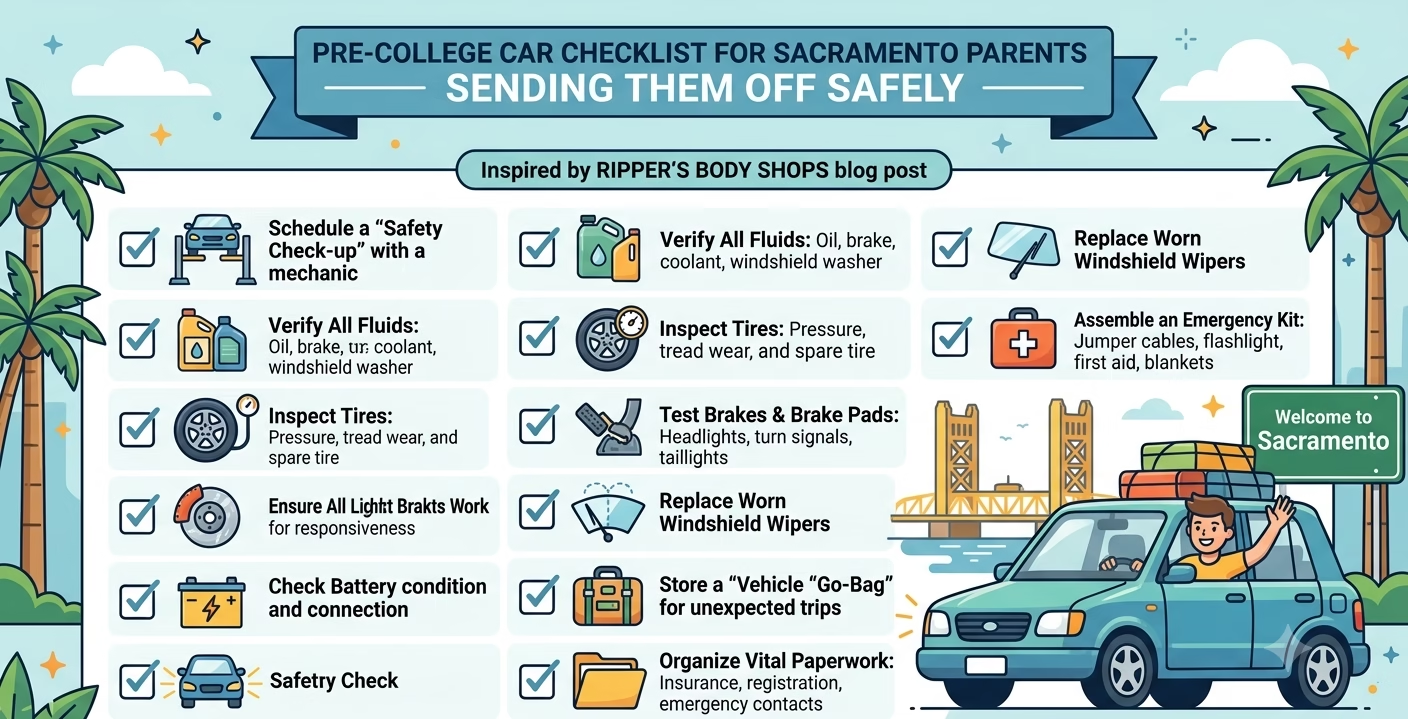
Sending Them
Off Safely.
Twelve things to check before they drive a long way to school — and three that are worth paying a pro to verify. A pre-college car checklist built for Sacramento parents.
The car is the smallest thing in this whole equation — and somehow it's the one thing you can actually control.
Most of the send-off is out of your hands. The roommate, the classes, the meal plan, the dorm. You can't do anything about any of it from the driveway. But the car — that one is yours. The car you can check. Here's the list we'd run through on our own kid's car before they pulled out for the long drive. Twelve items, none of them mysterious, most of them takeable in an hour on a Saturday morning. Then three more that are honestly worth paying a pro to verify before a 500-mile day.
If you're buying a car for them rather than fixing up the family hand-me-down, start with our recent Spotting a Bad Repair series — Episode 4 specifically covers when a pre-purchase inspection pays for itself, and a college-bound student's first car is exactly that situation. Read Episode 4 ↗
The visible check. Four items, ten minutes, no tools.
Walk around the car once in good light. These four are the most common reasons a parent calls us from a gas station outside Bakersfield asking what just happened.
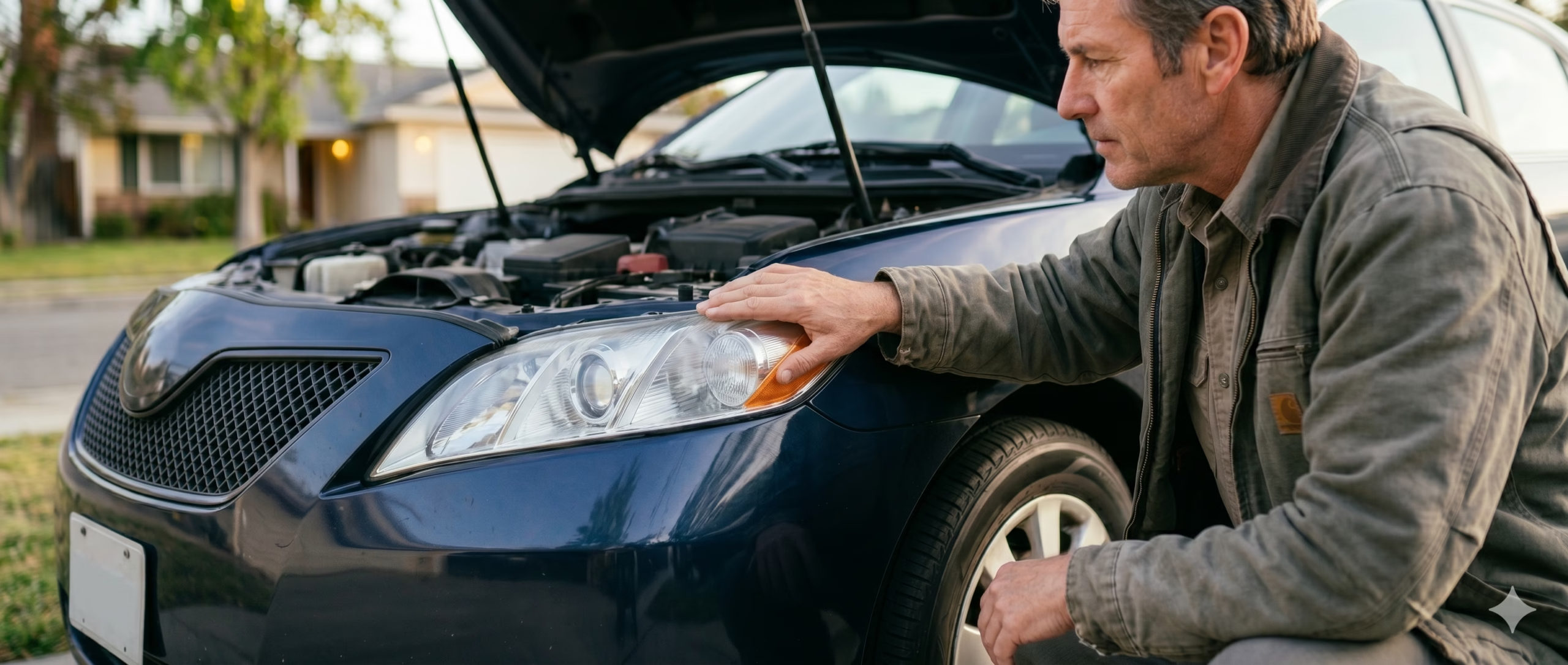
Headlights, taillights, brake lights, signals
Have them sit in the driver's seat and run through each light while you walk around. Both low and high beams. Both brake lights. All four signals. Reverse lights. License plate lights — yes, those count, and they're a common pull-over for college kids in unfamiliar towns.
Tire tread, pressure, and wear pattern
Quarter test on the tread — insert a quarter upside down into the tread. If you can see the top of Washington's head, the tread is at or below 4/32" and you're getting into the danger zone for wet-weather grip. Check pressure (the right number is on the door jamb sticker, not the tire sidewall). Walk all four tires and look for uneven wear.
Wiper blades and washer fluid
Run the wipers on a dry windshield (briefly, with washer fluid sprayed). Listen and watch. Streaking, chattering, or skipping means the blades are toast. Top up the washer fluid reservoir — there's not always one at the next gas station, and they're going to need it on a long drive.
Unaddressed body damage or rattles
Walk the car looking for previously-shrugged-off issues that are about to become 600-mile-of-highway issues. A cracked side mirror, a loose bumper cover that's been "fine" at city speeds, a hood prop that doesn't latch right. None of these are catastrophic. All of them are easier to fix in your driveway than at a rest stop.
Pop the hood. Four fluids, four minutes.
Cold engine, level ground, hood propped. None of these require tools. All four are designed to be checked by the owner — they're the basics, and they're what fails first on a long drive.
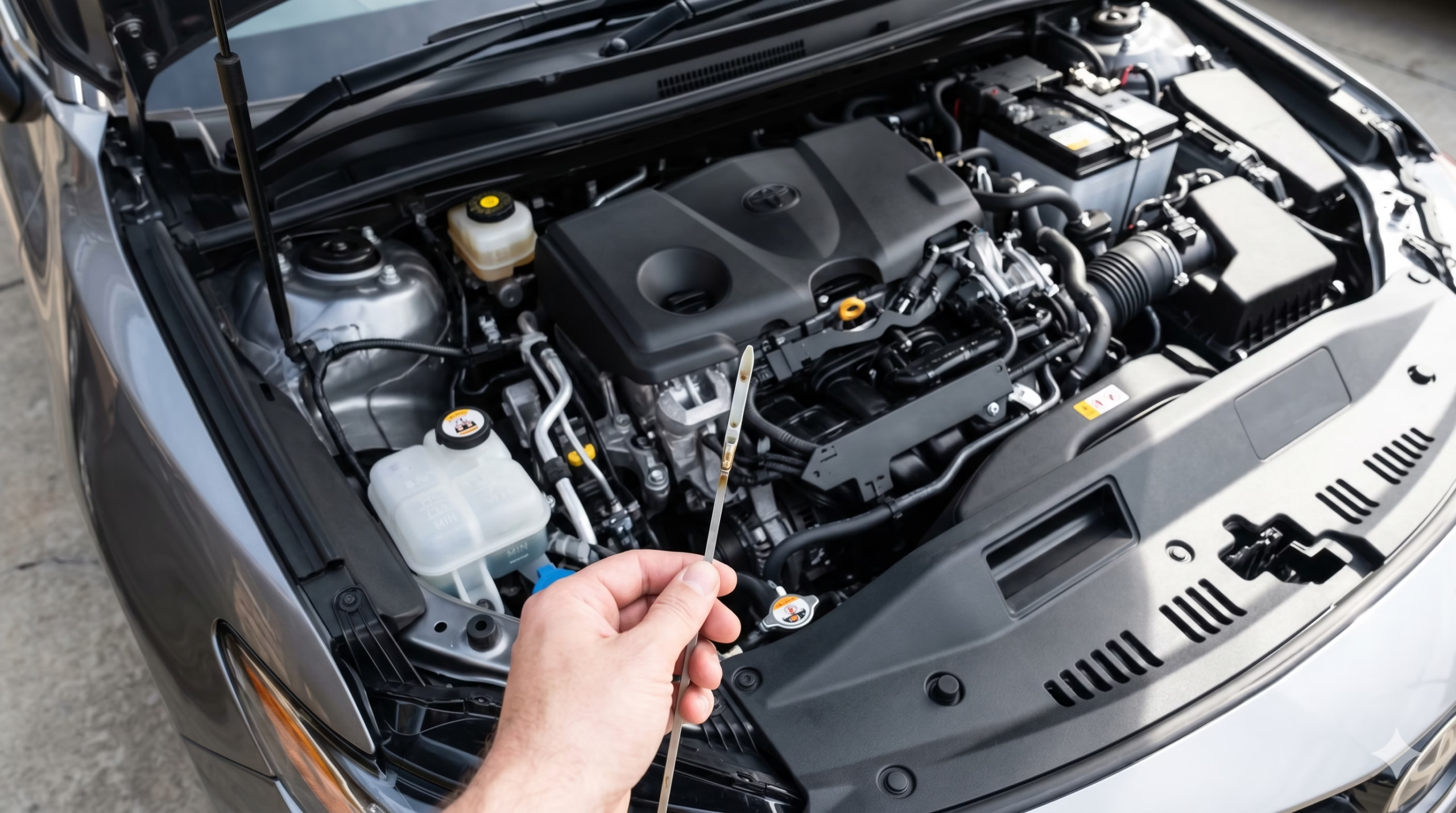
Engine oil — level and color
Pull the dipstick, wipe it, reinsert it, pull it again. The oil level should sit between the two marks. The oil itself should be honey-to-amber colored or, if it's been a while, dark brown. If it's black, gritty, or smells burnt — get an oil change before the trip. The cost of an oil change versus the cost of an engine on the side of I-5 isn't close.
Coolant — level and reservoir condition
The coolant overflow reservoir is typically a translucent plastic tank with MIN and MAX lines on the side. The fluid should sit between them. Common colors are green, orange, pink, or blue depending on the manufacturer — the color matters less than whether it's clear (good) or has rust-colored particles floating in it (not good, schedule a coolant service).
Brake fluid
Small reservoir near the back of the engine bay, usually labeled. Fluid should sit between MIN and MAX, and it should be clear-to-pale-yellow. Dark brown brake fluid means the system needs service. Don't top this off without knowing why it's low — if it's dropping, there's a leak somewhere or pads are very worn.
Battery — terminals and tie-down
Look at the battery. Are the terminals clean (no white-blue crusty buildup)? Is the battery itself secured (not loose in its tray)? Both matter. A loose battery can short on a bumpy road. Corroded terminals can prevent a start at a rest stop and turn a 6-hour drive into a 12-hour problem.
Two checks you can only make by driving.
Walk the car. Check the fluids. Then take it around the block. These two are the most common long-drive failures and they only show up when you're actually in the seat.
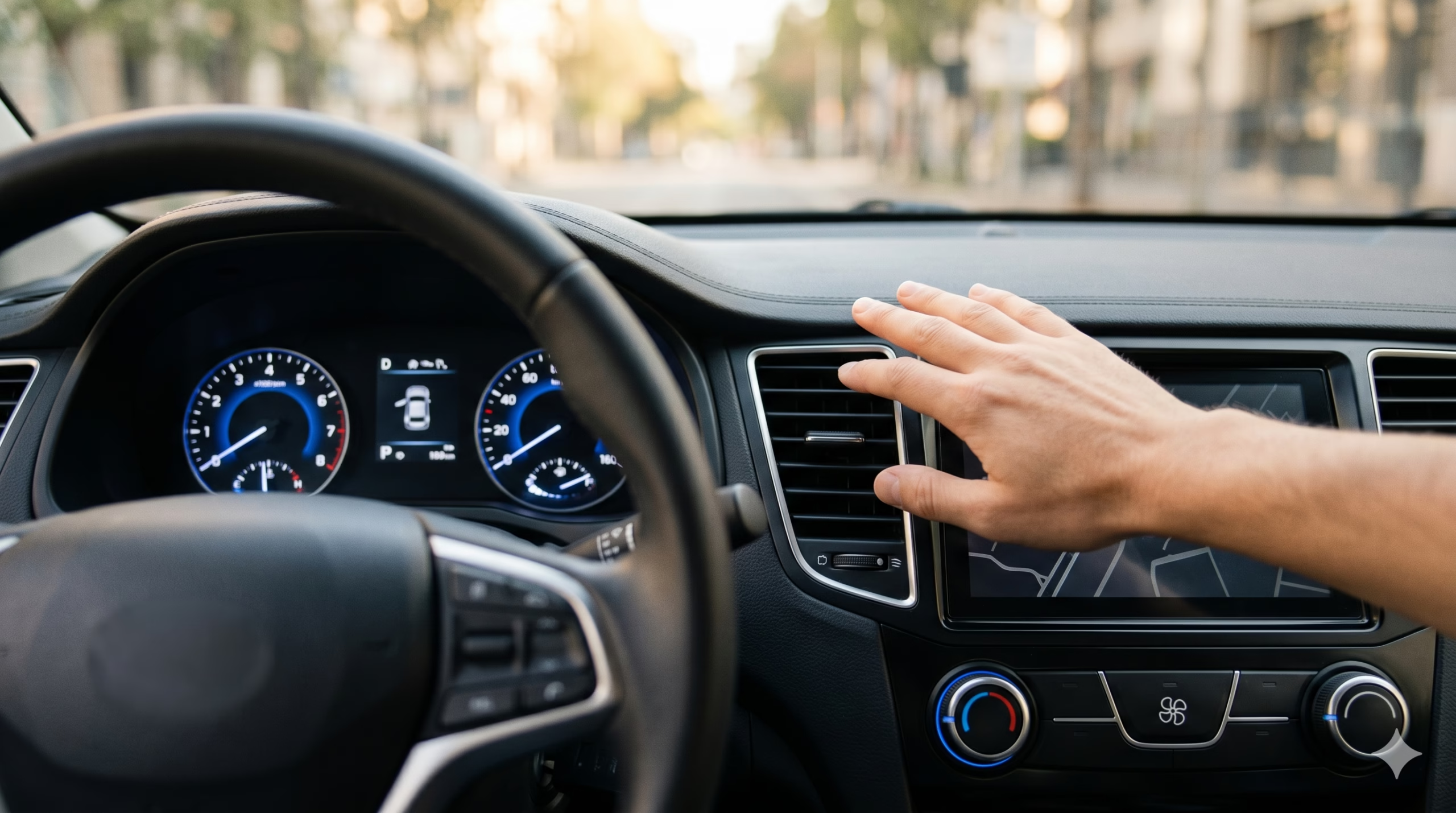
Brakes — pedal feel, sound, warning lights
Drive around the block. The brake pedal should feel firm — not spongy, not sinking slowly to the floor. There should be no grinding, no high-pitched squeal that lasts past the first few stops, and no warning lights on the dash. Test the parking brake too — engage it slowly to make sure it holds the car on a slight incline.
A/C — does it actually get cold?
Sacramento to anywhere in California in summer means crossing some hot ground. Turn the A/C on full cold, max fan, recirculate, and hold your hand to the vent. Within two or three minutes you should feel cold air — not "less hot" air. If the system only ever blows cool, the refrigerant may be low or the system may have a small leak. Get it serviced before the trip, not during.
The paperwork they shouldn't drive without.
It's not a mechanical check, but it's the easiest one on this list to skip — and the one most likely to ruin a Tuesday morning at a roadside stop in someone else's state.
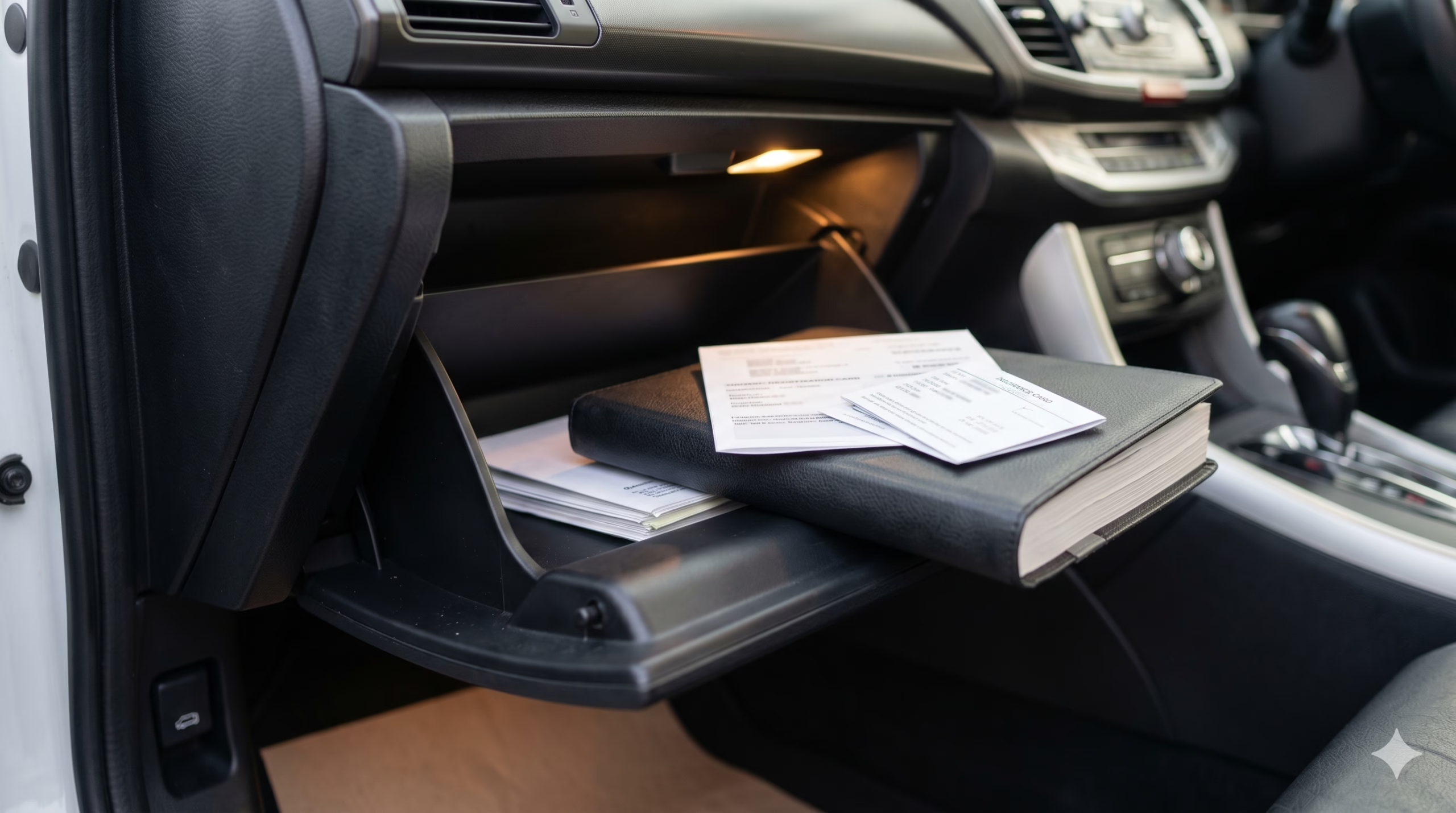
Current vehicle registration
California registration runs in annual cycles. Make sure the card in the glove box matches the current sticker on the rear plate. If renewal is coming up while they're away at school, handle it now — California DMV renewals can be done online and the new card mailed before they leave.
Current proof of insurance
The paper card or printed digital confirmation should be in the car, current, and matching the vehicle. Also notify your insurance carrier of the new garaging address if they're keeping the car out of state for the school year — most California carriers will need to be told, and the rate may adjust either way.
The three things worth paying a pro to verify.
You can do the 12 above with a Saturday morning and a clean rag. These three need either equipment you probably don't have or experience reading what you're looking at. They're the most common reasons a seemingly-fine car fails on a long drive.
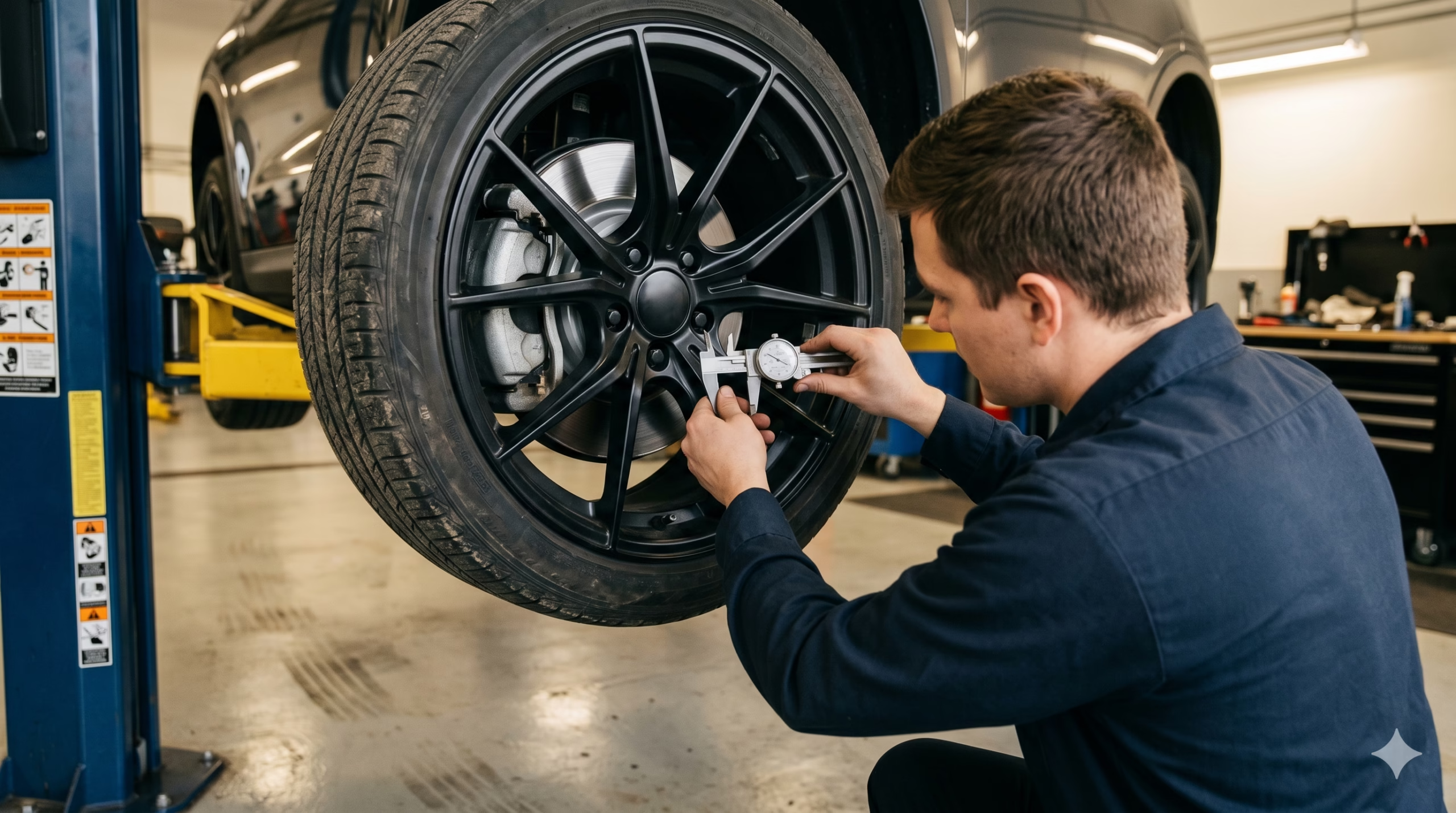
Brake pad thickness measurement
You can see pad thickness through the wheel spokes if you know what to look for — but a pro measures it. New pads are ~10mm. Replacement is recommended at ~3mm. Below 2mm means metal-on-rotor wear and the rotors usually need to come off too. A 5-minute pro check confirms exactly where you sit.
Battery + charging system load test
A voltmeter can tell you a battery is charged. It can't tell you whether the battery still holds a charge under load — which is what actually matters for a long highway drive in the heat. A 60-second load test reveals batteries that are about to fail. Most quick-lube shops and auto parts stores will do this for free.
Alignment & suspension visual
If the tires showed any uneven wear pattern (item 02 above), get a pro to look at alignment and suspension components. A car that pulls slightly on the highway becomes a serious fatigue problem over 500 miles, and a worn ball joint is the kind of failure that strands a car on the shoulder. Both are visible to a tech on a lift.
More from June.
- Jun 9 · You are here
Sending Them Off Safely: A Pre-College Car Checklist
- Jun 16 · Up next
This Father's Day, Treat Dad's Truck Right
Read June 16 → - Jun 23
What Sacramento Summer Heat Does to Your Paint
Read June 23 → - Jun 30
The 20-Minute Pre-Departure Walkaround
Read June 30 →
Quick answers, in one sentence each.
What should I check on my college student's car before they drive to school?
Run through 12 visible-and-fluid items yourself and have a pro verify 3 more. The 12 cover lights, tires, wipers, body, the four under-hood fluids, brakes, A/C, and current registration and insurance. The 3 pro items — brake pad thickness, battery load test, and alignment/suspension visual — require equipment most owners don't have but take a professional under 30 minutes total.
How often should a car's fluids be checked?
Engine oil and coolant should be checked monthly and before any long trip; brake fluid and transmission fluid less often but always before a long drive. Most modern cars have transparent or clearly marked reservoirs for engine coolant, brake fluid, and washer fluid, designed to be owner-checkable without tools. Engine oil requires pulling the dipstick on a cold, level engine.
What's a safe tire tread depth for a long drive?
2/32 inch is the legal minimum in California; 4/32 inch is the practical minimum for wet-weather safety on a long highway trip. Use the quarter test: insert a quarter upside down into the tread. If the top of Washington's head is visible, the tread is at or below 4/32 inch and replacement should be planned before a long drive, especially if rain is in the forecast.
Should I get my car professionally inspected before a college road trip?
For any drive of 200 miles or more — yes, a 30-minute pro inspection catches what an owner can't see. Rippers Body Shop offers a Send-Off Safety Check for $49 that covers brake pad measurement, battery load test, and the visible items most relevant to a long drive. It is not a substitute for a full pre-purchase inspection but is designed specifically for established daily drivers being trusted to a long trip.
What's the difference between a tune-up and a pre-trip inspection?
A tune-up is preventive maintenance — replacing wear items like spark plugs, filters, and fluids on a schedule. A pre-trip inspection is a visual and functional check to identify potential issues before a specific trip. They serve different purposes: a tune-up keeps the car running well long-term, while a pre-trip inspection answers whether the car is currently ready for a long drive.
CA BAR Automotive Repair Dealer Reg. [ARD #294466]
This article is educational and reflects general visual inspection practices. It is not a substitute for a professional vehicle inspection, and it does not constitute a safety determination on any specific vehicle. See the rest of The Send-Off Issue and our June 2026 newsletter for more.